People often ask us, “Why do you do it?” The Casco Bay Bluefin Bonanza is a volunteer organization. The dedicated men, women, and children who work year-round to put on the biggest and the best tuna tournament in New England, and in so doing, raise awareness of and funding for important local causes, don’t get paid.
That doesn’t mean the work isn’t rewarding. That reward can’t be described in a few words. But as you read through our annual report, you’ll get a sense of why. Through our efforts—and yours—to support education and conservation, we’re all making a difference in our community. We’re keeping it strong and, at the same time, building a better place for future generations.We’re all very proud of what we’ve accomplished over the last year, and we hope you will be too. Ahead you’ll see just some of the things we’ve done together.
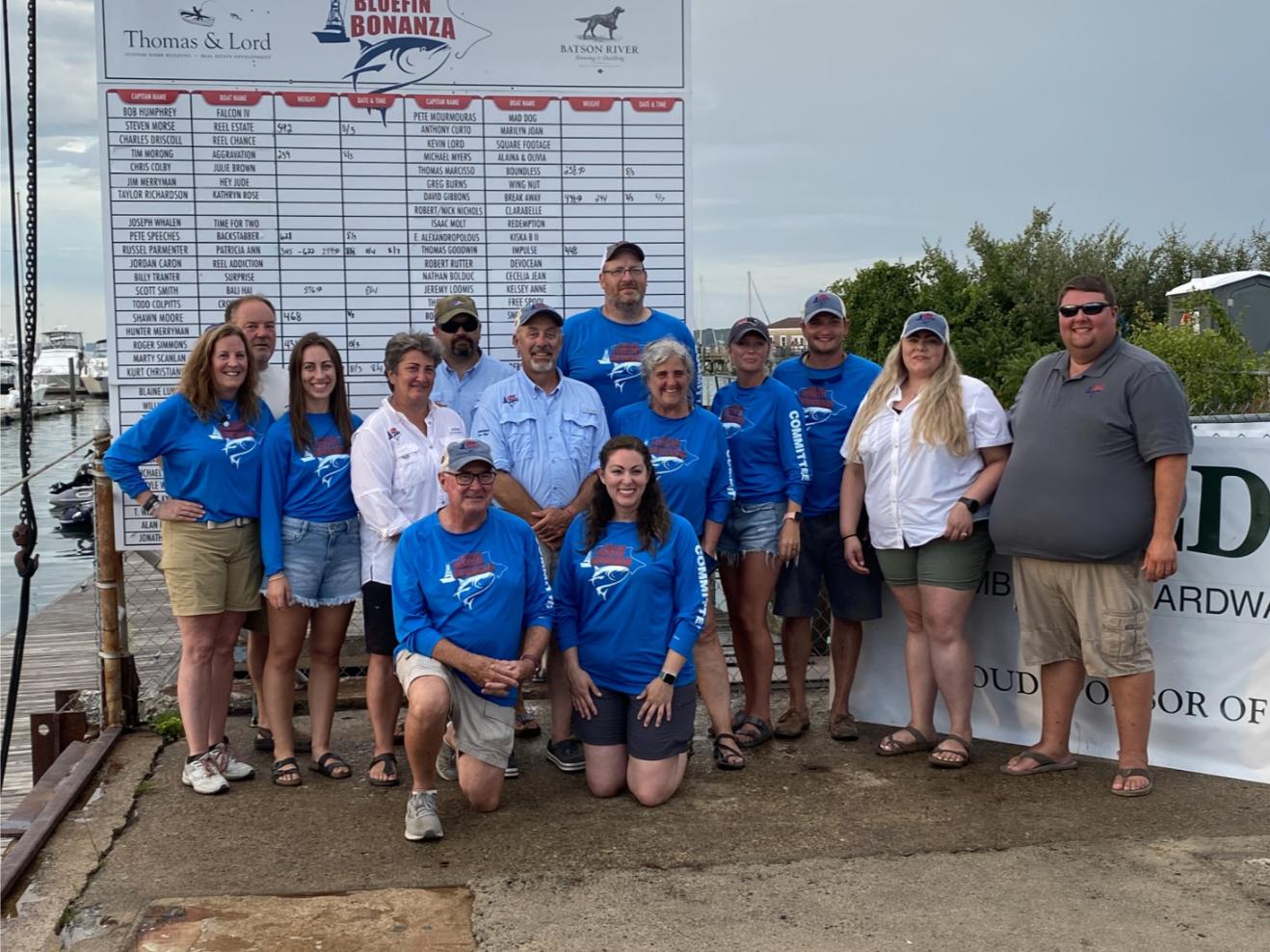
As a first-class tuna tournament, the Casco Bay Bluefin Bonanza combines highly-skilled anglers from all over the northeast in a contest of competition, comradery, and fun. We also understand the importance and reward of giving back to our communities.As an independent, non-profit, 501(c)(3) charitable organization, the Casco Bay Bluefin Bonanza Tuna Tournament is committed to the purpose of raising and expending funds in support of educational scholarships to deserving individuals. To that end, all donations made by charity auction participants, raffle ticket buyers, and our sponsors will go toward a scholarship fund to support students in Maine’s community college and technical school system, the graduates of which will ultimately enter the workforce and contribute meaningfully to our community.We’re also dedicated to conserving the resource we value so much and support internships and research at the Gulf of Maine Research Institute.
President
Vice President
Director at Large
Director at Large
Secretary
Treasurer
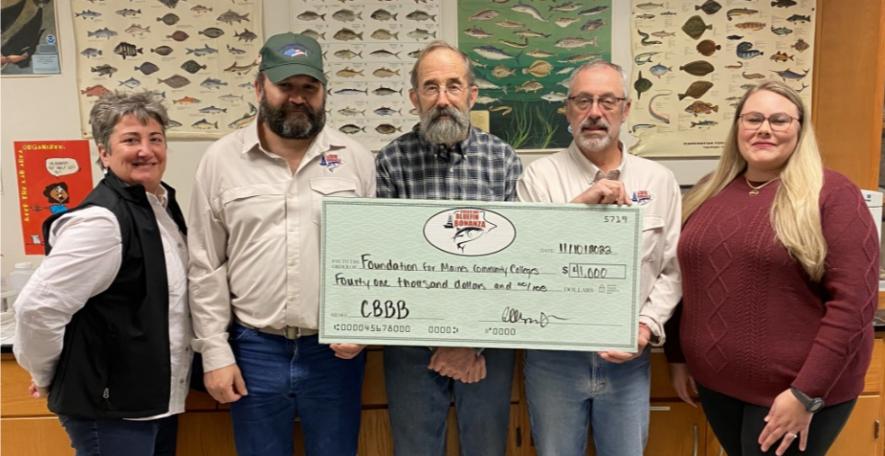
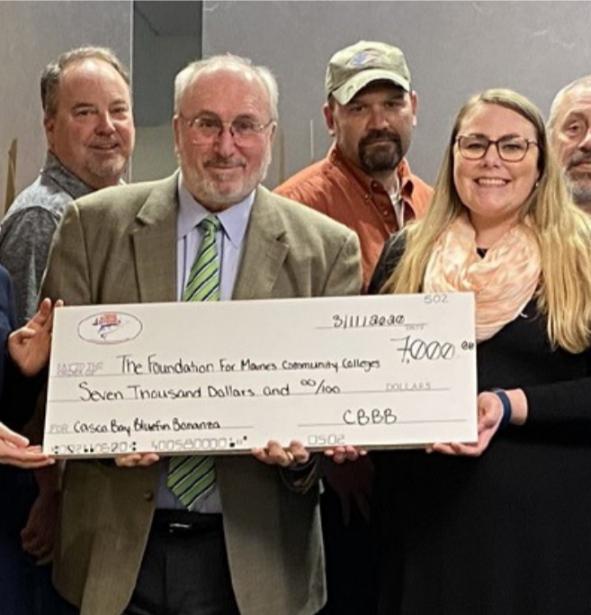
Education is where the giving all started for us back in 2019 when we awarded $1,000 scholarships to one student from each of Maine’s 7 community colleges enrolled in trades and marine science programs. We’ve come a long way since then.Proceeds from our 2022 event allowed us to provide $1,000 scholarships to 14 students, 2 from each of the 7 community colleges, and an additional $1,000 scholarship to 2 more students, one each from SMCC and CMCC in recognition of their logistical support of our events. In 2022, we were also able to fulfill our endowment with the Foundation for Maine’s Community Colleges (FMCC). This fund will provide additional scholarships in perpetuity.
That’s important because they need our help now more than ever. The State’s “free tuition” program only covers the cost of tuition for high school graduates in the classes of 2020–2023, if they register for full-time status. It does not cover the costs for books, tools, or housing, but represents on average about 30% of their total cost of attendance.More importantly, most students in the system do not qualify for this program. It does not apply to any non-traditional aged (older) students, or young folks who have graduated outside of those specific years. It also does not apply to part-time students, who represent a large portion of Maine community college enrollment.
The focus of Maine’s current economic development plan is attracting people and adding skills and talent to a workforce that is shrinking every year. There are nearly 200,000 Mainers who have some college, but no degree, who could put themselves in a position for higher earnings with access to the right program. Maine’s community college system is serving that need for thousands, but its most sought-after programs too often have to turn potential students away. Through our partnership with FMCC, The Casco Bay Bluefin Bonanza is making it possible for more Mainers to acquire the skills and credentials available in these programs, allowing them to command more in the job market.
“We are very grateful to the Casco Bay Bluefin Bonanza for your continued support of the students of Maine’s community colleges,” said Foundation President John Fitzsimmons. “Maine’s community colleges are committed to creating a skilled and educated workforce and to building a more prosperous Maine. The impact of a gift like yours is significant and can be seen on the campuses of Maine’s seven community colleges.”
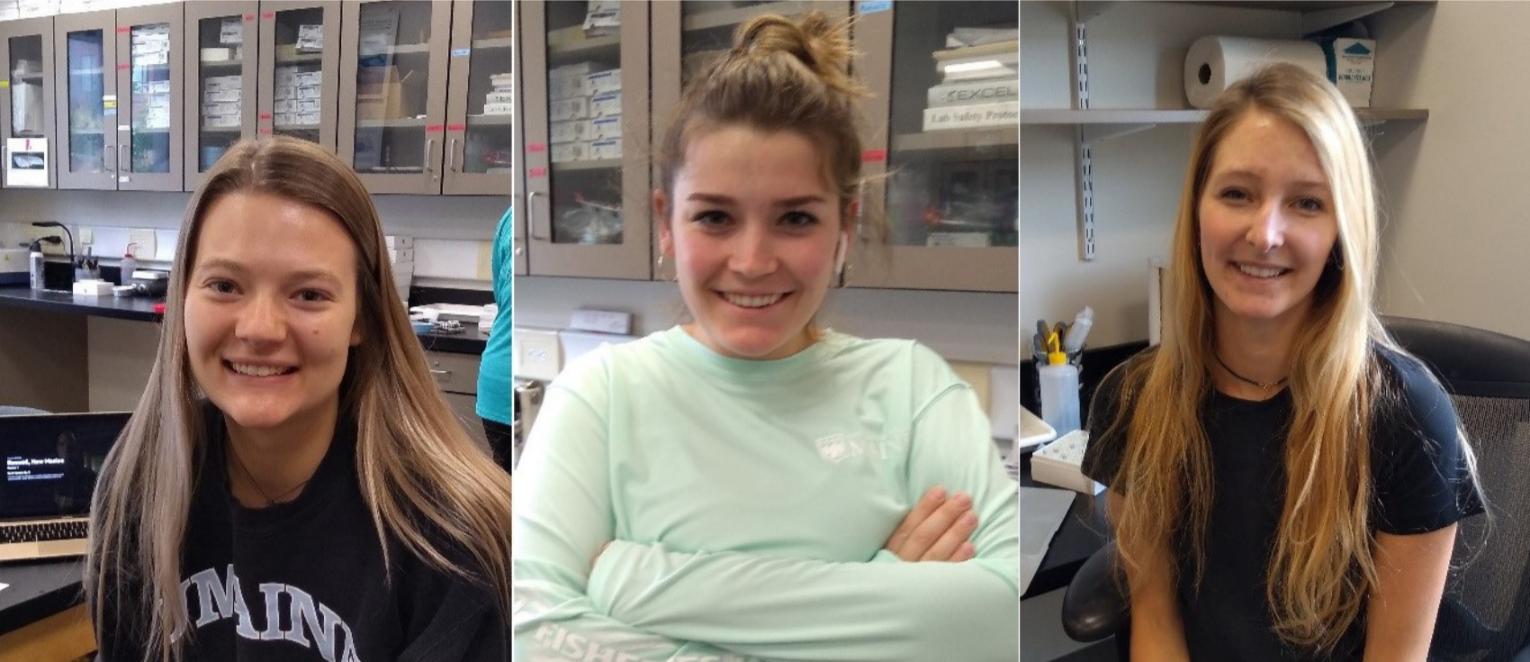
We were also able to double our internships, from 3 to 6, for Maine college students working at the Gulf of Maine Research Institute’s (GMRI) Pelagic Fisheries Lab, which serves as a training ground for students interested in the field of fisheries biology, fisheries science and fisheries management. Internships, technicians, and graduate student positions are available to interested students to acquire the hands-on skills needed to enter the professional field and become the next generation of leaders who will continue the wise stewardship of this resource.
The Pelagic Fisheries Lab also participates in the Gulf of Maine Research Institute’s Lab Venture program, a free and unique marine biology experience for the state of Maine’s 5th and 6th graders. Samples collected from the fisheries are part of these demonstrations to illustrate what species live in the Gulf of Maine and how scientists go about ensuring their sustainability. Samples are also used in demonstrations to area schools and for students at the University of Maine.
| Beneficiary | 2019 | 2020 | 2021 | 2022 | TOTAL |
|---|---|---|---|---|---|
| Scholarships | $7,000 | $14,000 | $7,000 | $17,000 | $89,000 |
| FMCC Endowment | — | $10,000 | $10,000 | $26,000 | $46,000 |
| UMO/GMRI | __ | $1,000 | $5,000 | $40,000 | $46,000 |
Working unpaid internships is financially impossible for many college students, as it was for me. However, those experiences are essential to success in this field. Being awarded a Bluefin Bonanza student scholarship made it financially possible for me to have a meaningful and unique fisheries-related internship opportunity that served as a catalyst toward my first post-grad research position. I am very excited to see the Bluefin Bonanza continue to provide support to students in our community.
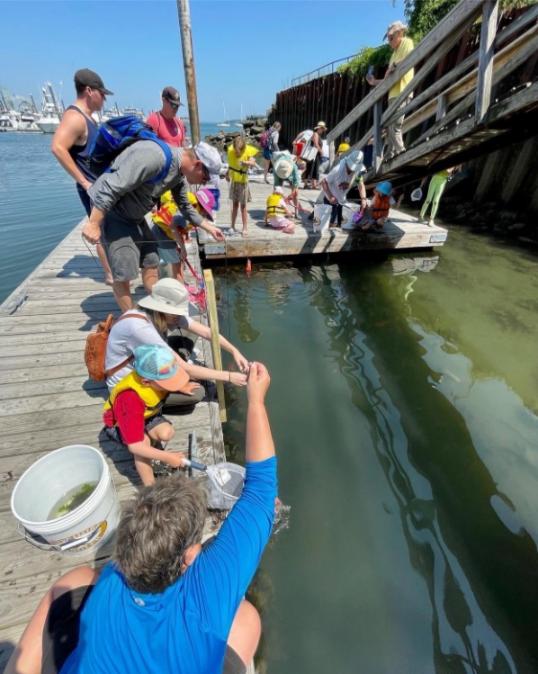
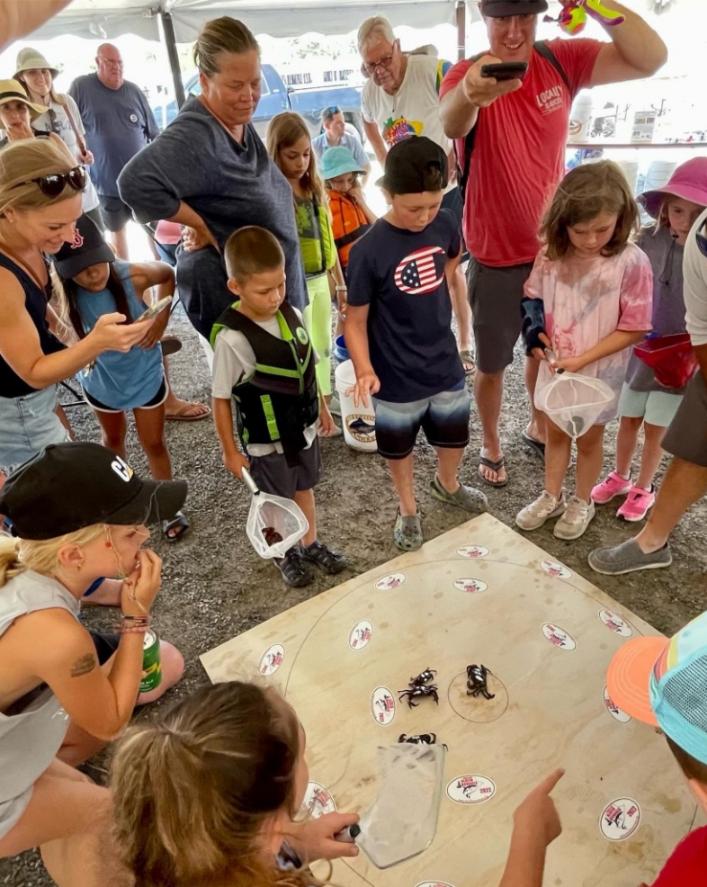
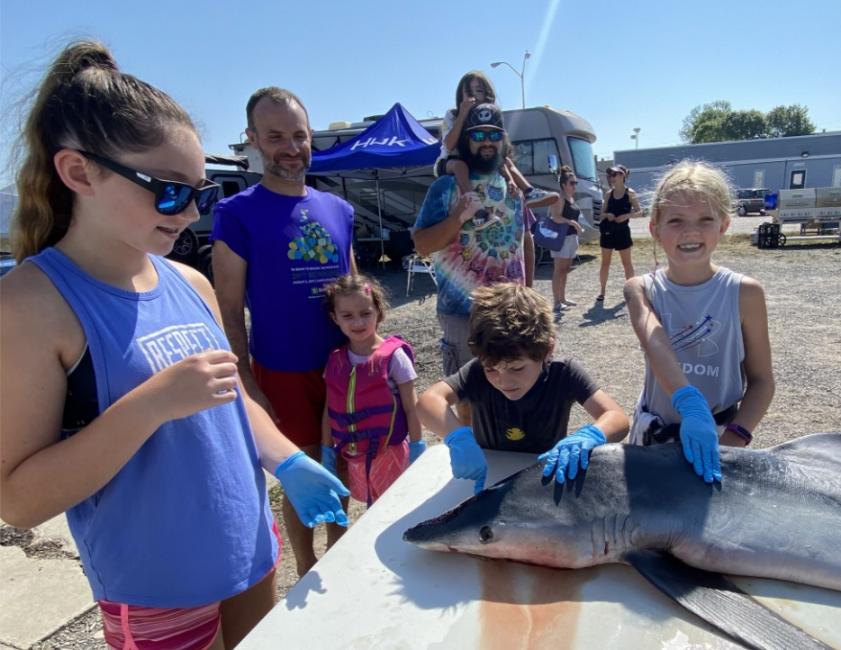
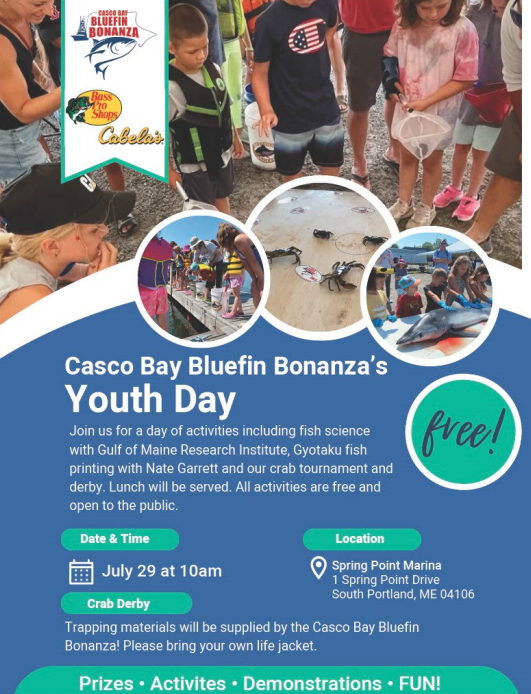
The Casco Bay Bluefin Bonanza, Bass Pro Shops – Cabela’s, and the Gulf of Maine Research Institute partner up to provide a day of activities for youngsters and grown-ups alike.
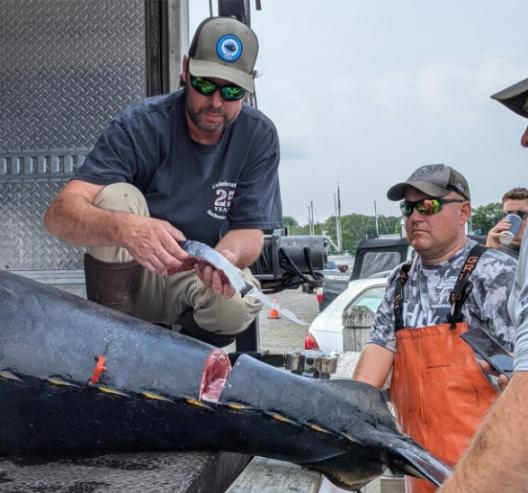
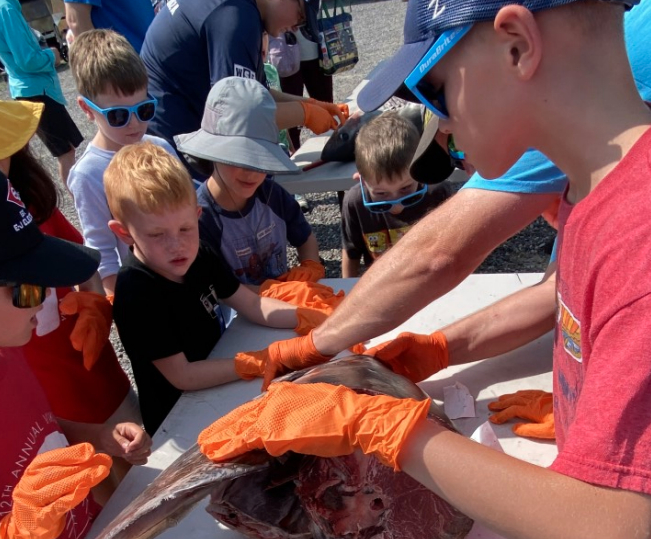
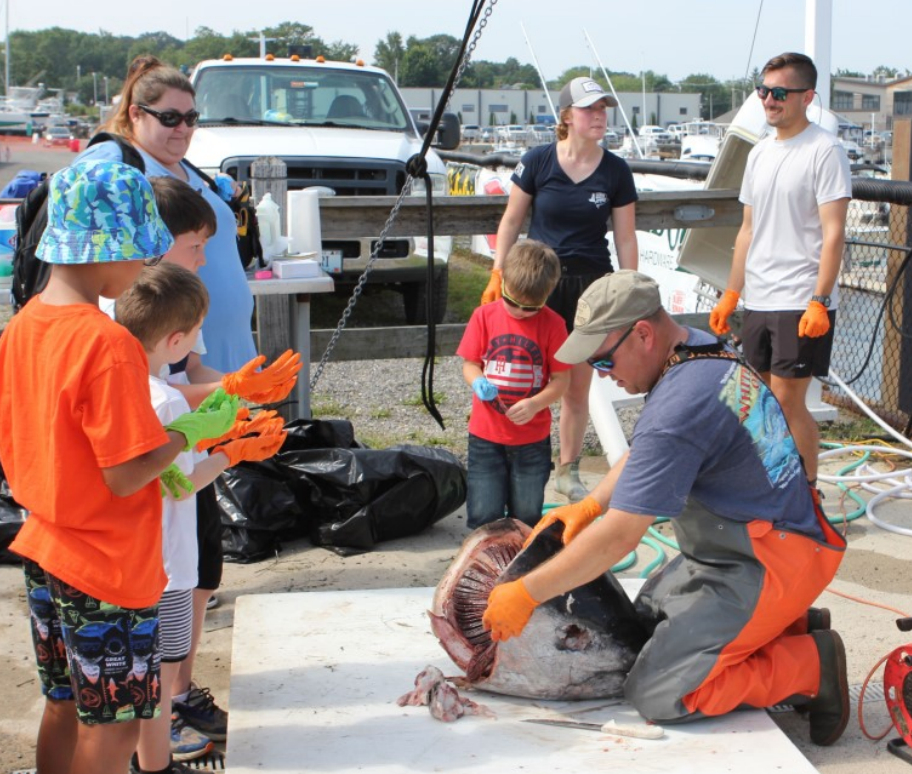
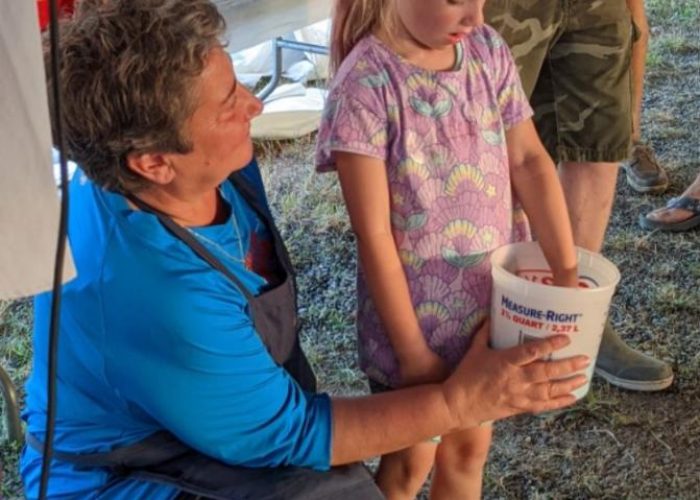
The day kicked off with Dr. Walt Golet and his team of interns from the University of Maine School of Marine Sciences and the Gulf of Maine Research Institute providing hands-on demonstrations of some of the more fascinating fish found in local waters. Kids got a chance to stick their hands and knives into ocean sunfish, blue sharks and bluefin tuna while learning how scientists collect biological samples for research.
In 2024 we presented a check for $25,000 to the University of Maine Foundation to support internships and research at the Pelagic Fisheries Lab. l. to r. Jane Humphrey, CBBB Secretary; Diane Rowland, Dean of the College of Earth, Life, and Health Sciences at the University of Maine; Bob Humphrey, CBBB President; Liz Erickson, Senior Director of Philanthropy, University of Maine Foundation; Dr. Walt Golet, Adjunct Professor, University of Maine, Director, Pelagic Fisheries Lab.
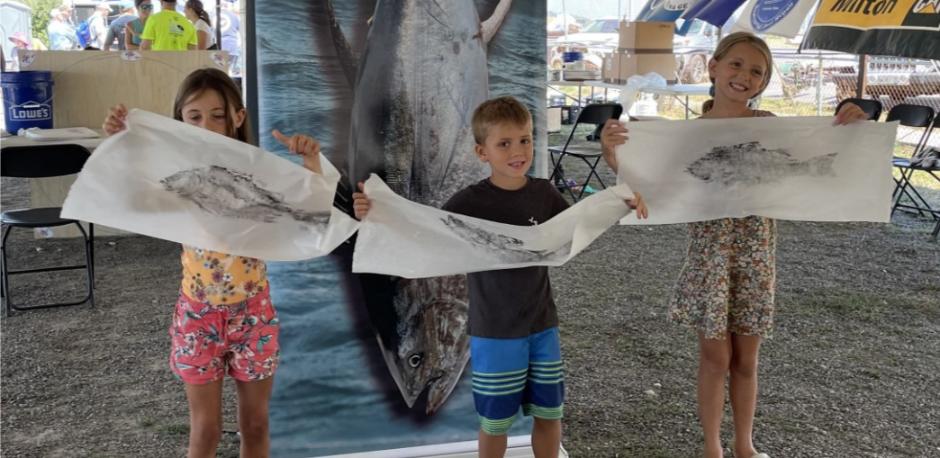
Meanwhile, local artist Nate Garrett volunteered his time and materials to provide demonstrations on the Japanese art of Gyotaku fish printing, and the kids got a chance to make their own fish prints.
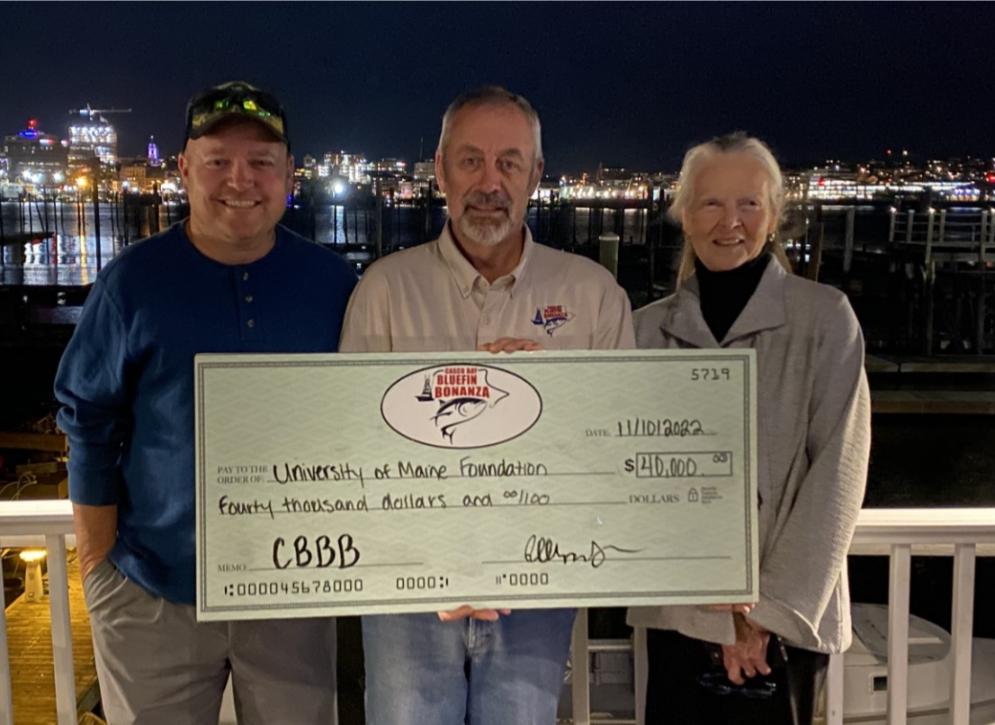
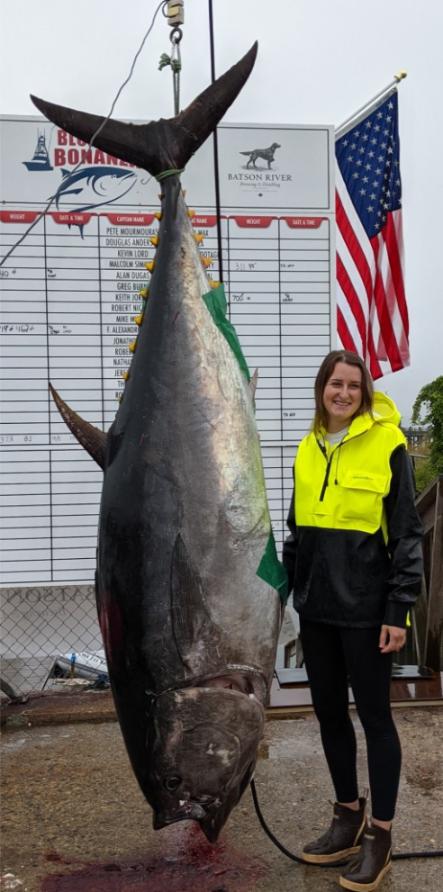
The captains and crews who participate in our annual tournament love to fish, but they also understand the importance of good stewardship and giving back. Through our endowment with the University of Maine Foundation’s Highly Migratory Species Conservation Fund, we’re supporting critical bluefin tuna research at the Gulf of Maine Research Institute’s Pelagic Fisheries Lab, the results of which are already being used to shape future management of Atlantic bluefin tuna.
Highly migratory species, including the tuna, sharks and billfish, represent a group of the world’s most sought after commercial and recreational fish. Bluefin tuna fishing has evolved into a global commercial and recreational business supporting tens of thousands of jobs and injecting tens of millions of dollars into local economies around the Atlantic. As with any harvested species, our ability to manage it successfully depends solely on the information we have about its life history (e.g., growth, age, migration, foraging).
To learn more about these animals and provide the most robust stock assessment and management advice, research labs like GMRI are trying to improve our understanding of species like bluefin tuna to ensure the long-term sustainability of this fish harvested for commercial or recreational purposes. Specific aspects of biology they study include longevity, age structure, stock structure, foraging ecology, age of reproduction, migration/habitat use and more. These require annual monitoring because they can change from year to year.
As technology and the techniques to study these animals progress, so too does our ability to ask and answer more complex questions. The field of genetics is growing at an unprecedented rate as is the amount of information we can get from it. An exciting and new project at GMRI is utilizing this technology in order to provide the first ever absolute estimates of abundance for bluefin tuna in the Atlantic. This is a first of its kind study in the Atlantic and has the potential to be a game changer, answering fundamental questions about reproduction and mortality that have, to this point, eluded us.
The Pelagic Fisheries Lab works with commercial and recreational partners, including tournaments like the Casco Bay Bluefin Bonanza, to obtain critical samples from landed fish, samples that can be used to answer all the questions posed above, especially this cutting-edge genetic work. Samples include muscle, stomachs, liver, otoliths, eye lenses, and when possible the application of conventional and electronic tags. Tournaments like the Bluefin Bonanza are important as they provide a single source location for collecting samples from the part of the fish that would otherwise be discarded.
| Beneficiary | 2019 | 2020 | 2021 | 2022 | TOTAL |
|---|---|---|---|---|---|
| LPRI | $1,000 | — | — | — | $1,000 |
| GMRI | __ | $1,000 | $25,000 | $40,000 | $66,000 |
These are just some of the exciting and cutting edge research projects we’re supporting
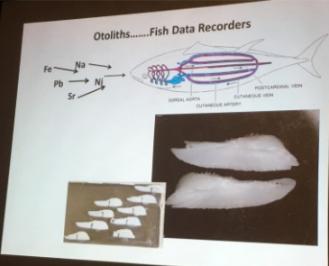
Using otoliths (small crystals at the base of the skull) and approaches similar to those used for trees, researchers can count the rings in these structures to estimate the age of every fish caught. This information is then used as an index of age structure in the population and to estimate growth rates.
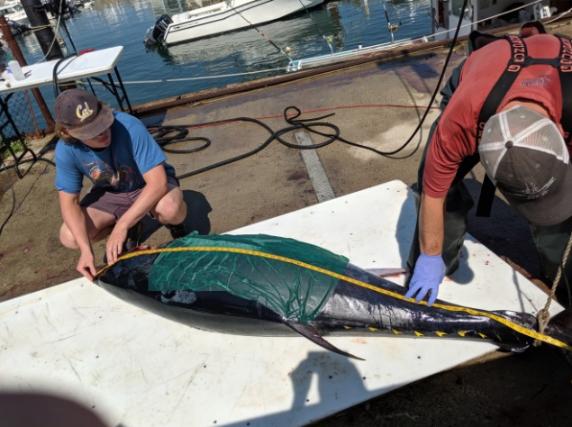
By analyzing stomach contents or specific chemical signatures in the muscle, liver, and blood, biologists can assess what these animals have been eating as far back as a year before they were caught. This information is then used to identify which forage species are most important and to ensure those stocks remain sustainable.
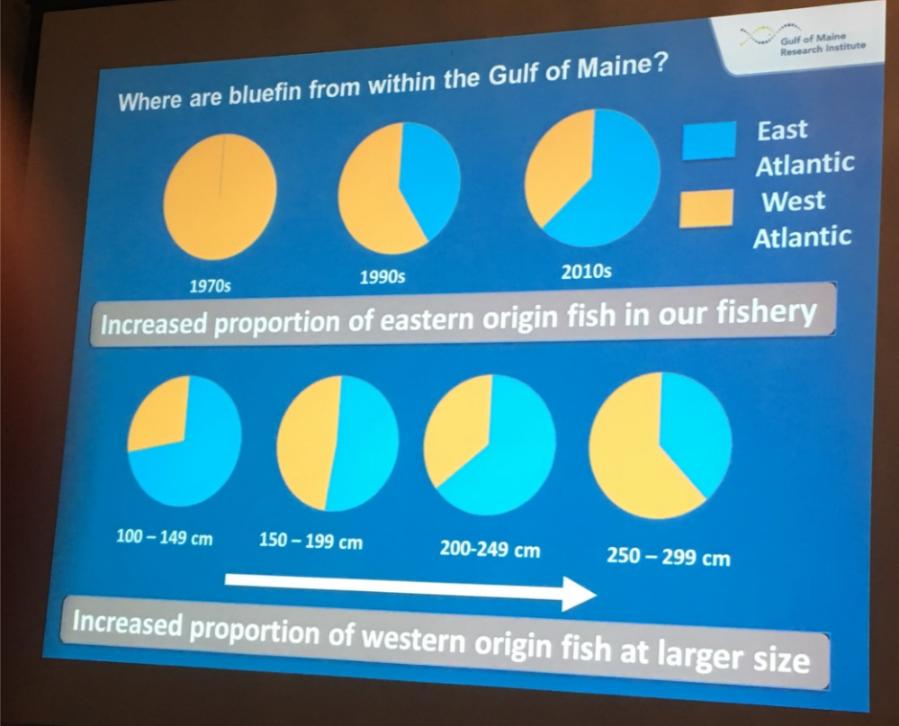
Understanding which individual fish belong to which population is one of the most important aspects of bluefin management. Scientists use three tools to do this: the chemistry of the otoliths, eye lenses, and specific genetic markers from muscle tissue. From these, they can determine whether a fish landed off the coast of Maine was spawned in the Gulf of Mexico or the Mediterranean Sea.
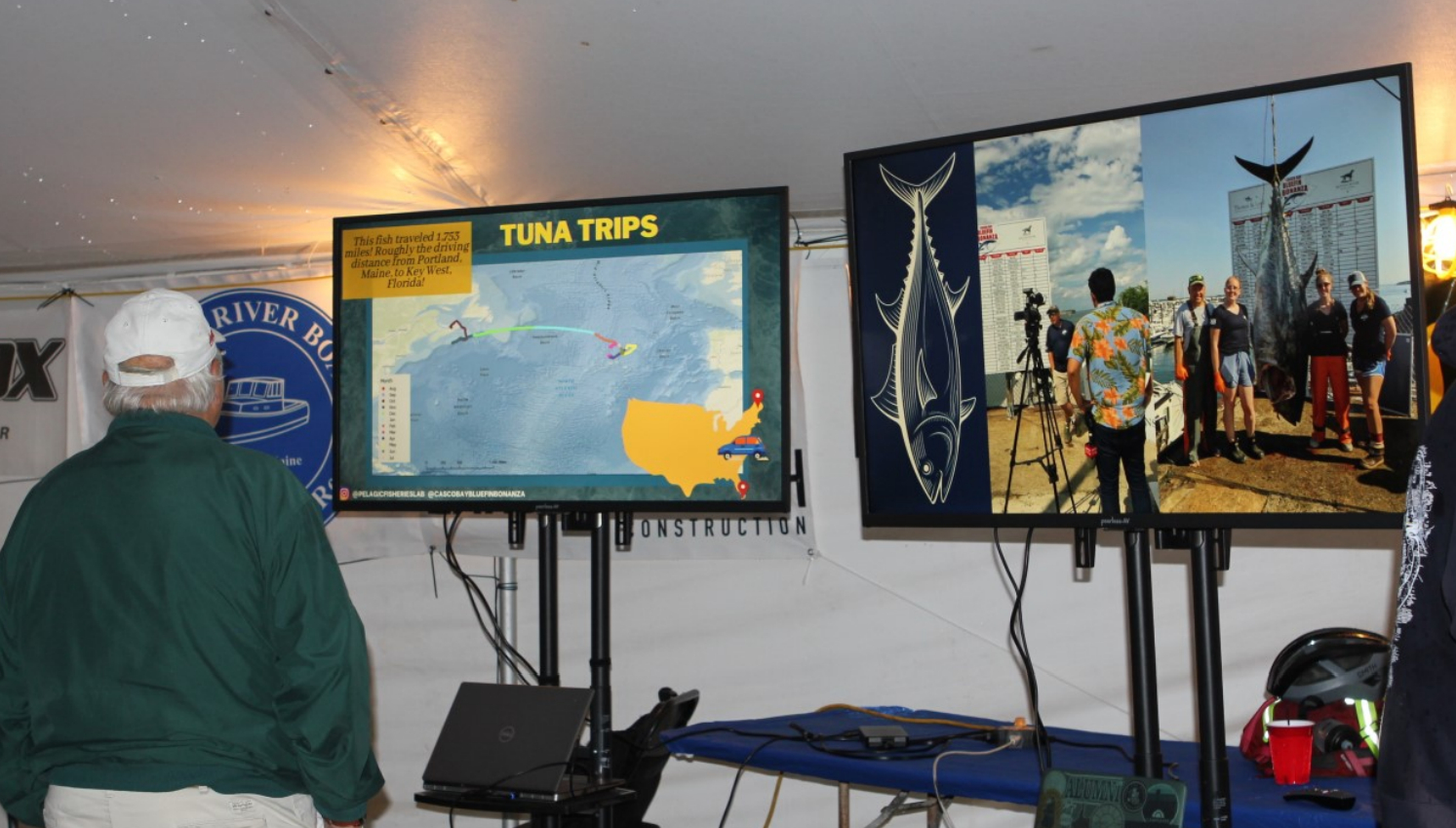
Scientists use several types of tags to track these fish, including traditional plastic tags and more sophisticated electronic tags. From this, they can determine where the fish travel and when they enter their spawning grounds or cross management zones.
Using reproductive tissues and genetic techniques, scientists can assess when these fish spawn for the first time. This information is used to set minimum size limits and to estimate total population abundance, both of which are important new discoveries. As you can see, all of this scientific information has direct management applications to the fishery. Age, diet analysis, stock composition, and more are included in the assessments submitted to the National Marine Fisheries Service and, ultimately, to the International Commission for the Conservation of Atlantic Tunas, the international governing body that manages all tunas, billfish, and sharks throughout the Atlantic.
One of several research projects The Casco Bay Bluefin Bonanza supports through our endowment is a brand new initiative called “Genetics for Giants.” It’s a pilot program that aims to identify stock structure of the bluefin we land. Using gene tags, Walt Golet’s team hopes to find tuna relatives (parent-sibling matches) in the ocean. This information can then be used to derive a more accurate estimate of the number of bluefin in the ocean, and ultimately ensure the resource and the fishery remain sustainable.
We’re already seeing benefits of the results from these studies on food habits, seasonal migration patterns, and even genetic relationships. Stock assessments show populations continue to grow, which could lead to even more fishing opportunity. Help us ensure that continues to be the case.
On The Waterfront
In 2022, 60 boats registered for the Casco Bay Bluefin Bonanza. At $600 each, that generated $36,000. Of that, $25,000 was paid out in prize money, with the remainder going toward scholarships and internships. According to NOAA Fisheries, the average trip cost for bluefin tuna fishing is $823 per boat, per day. This includes things like ice, food, bait, fuel, and tackle—all of which comes from businesses in our community. With 60 boats competing in a 3-day tournament, that represents an infusion of $148,000 into the local working waterfront.
Landings are also an important source of income for the fishermen who participate in our tournament. During the 2022 Casco Bay Bluefin Bonanza, anglers landed 23 fish for a total of 10,237 pounds. At an average ex-boat price of $6.00 per pound, that equates to over $60,000—and some fishermen received even higher prices for their catch. These fish are purchased by local buyers and brought to market, providing an economic benefit to wholesalers, retailers, fish markets, and restaurants.
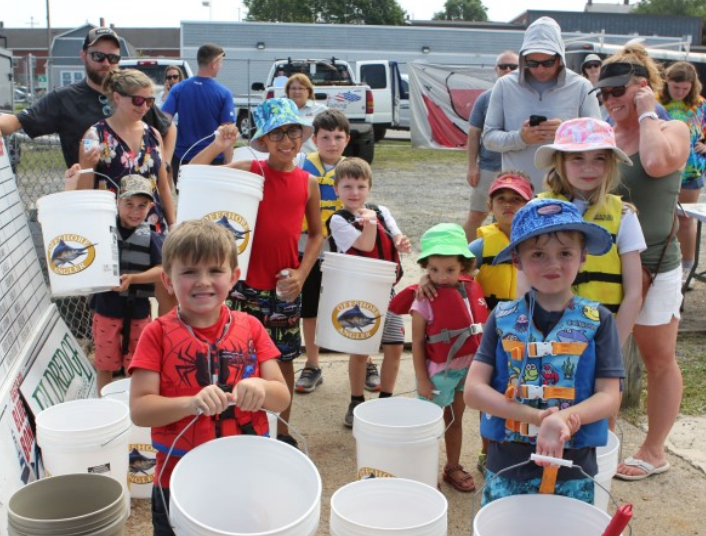
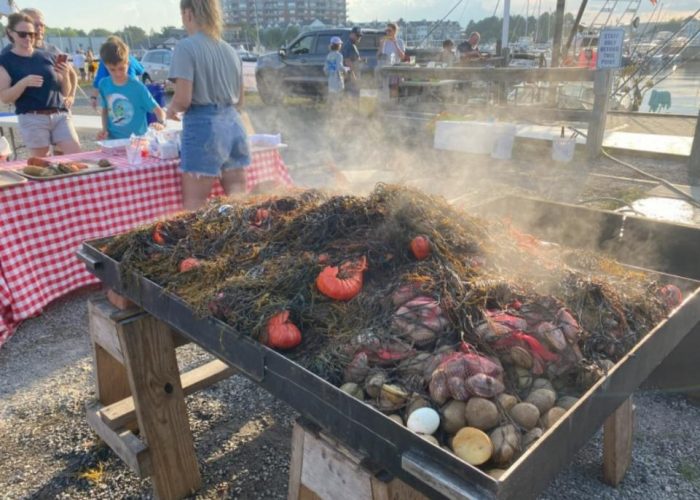
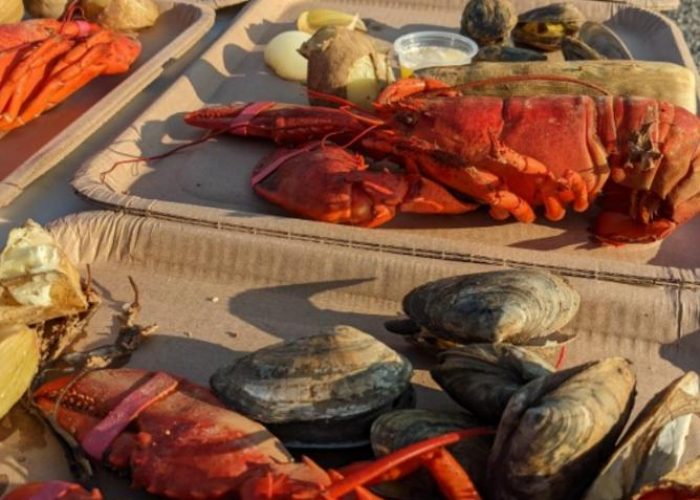
As our slogan says, the Casco Bay Bluefin Bonanza is a contest of competition, camaraderie, and fun. When we heard there was a new tournament in town, we reached out to the organizers and suggested that we could both be more effective by cooperating rather than competing. Our comrades at the Bluefin Benefit Battle—raising funds for local Maine families battling cancer—were on board, and together we worked to shine a light on Maine’s working waterfront and deeply rooted fishing history, while bringing the community together to support two very meaningful causes. Our friends at the Bailey Island Tournament even pitched in, lending us both a helping hand to encourage the next generation of anglers and ensure this heritage remains strong.
The overriding objective of the Casco Bay Bluefin Bonanza is giving back to our community, and not just the community colleges. We also want to help the fishermen and the seafood industry whose participation is so important to meeting our objectives.
When the pandemic struck, it created economic hardships for many, including Maine’s commercial tuna fleet. After years of sacrifice and conservative management and harvest, the resource turned a huge corner and was finally recovering. Government agencies and non-profit conservation groups alike declared the fishery as sustainable and growing. Groundfishermen and lobstermen were able to improvise by selling directly to consumers, but tuna must be handled differently and the tuna market has long depended primarily on major population centers and overseas exports, all of which were shut down.
We responded by establishing the Bluefin Initiative, dedicated to creating and promoting local markets and educating local consumers about our sustainable, artisan fishery. The concept quickly caught on and several companies were able to develop markets, buying from Maine fishermen and selling to local consumers.
In the short term, we helped fishermen and their families who rely on this resource for their livelihood. In the long term, we could reduce our dependency on out of state and overseas markets, keeping money in our local economy. Bluefin tuna is better. If you see locally caught Bluefin in the counter of your local seafood market or on the menu at your favorite restaurant, that’s in part because of our efforts. Think global, act local and support these businesses.
Through our endowment with the University of Maine Foundation’s Highly Migratory Species Conservation Fund, we’re supporting critical bluefin tuna research at the University of Maine’s Pelagic Fisheries Lab, the results of which are already being used to shape future management of Atlantic bluefin tuna.
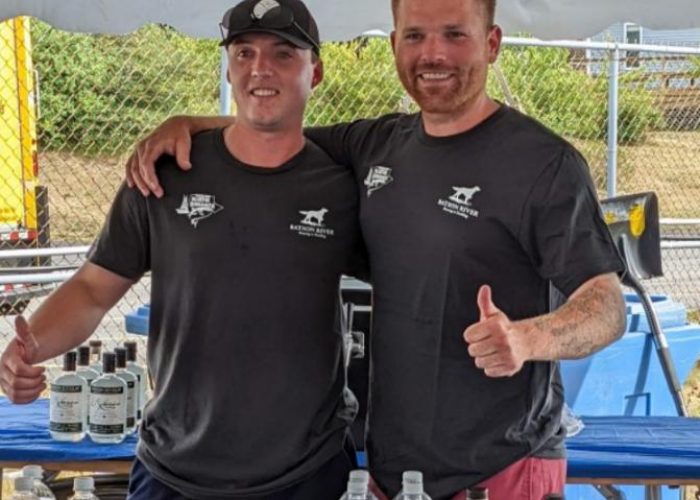
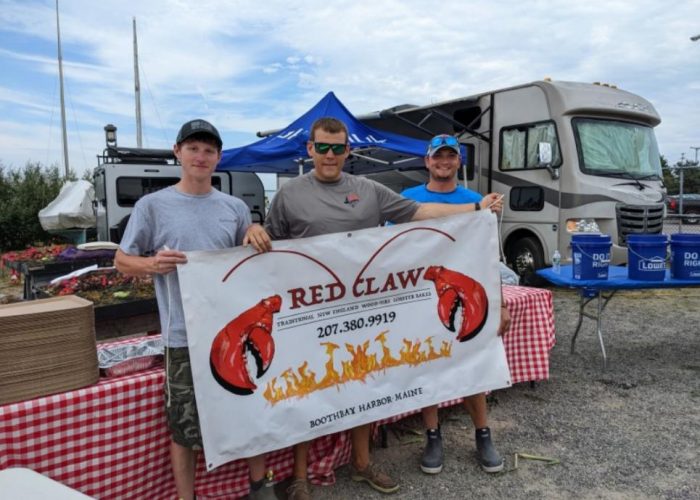
In 2022, we handed out over $25,000 in tournament awards to local fishermen.
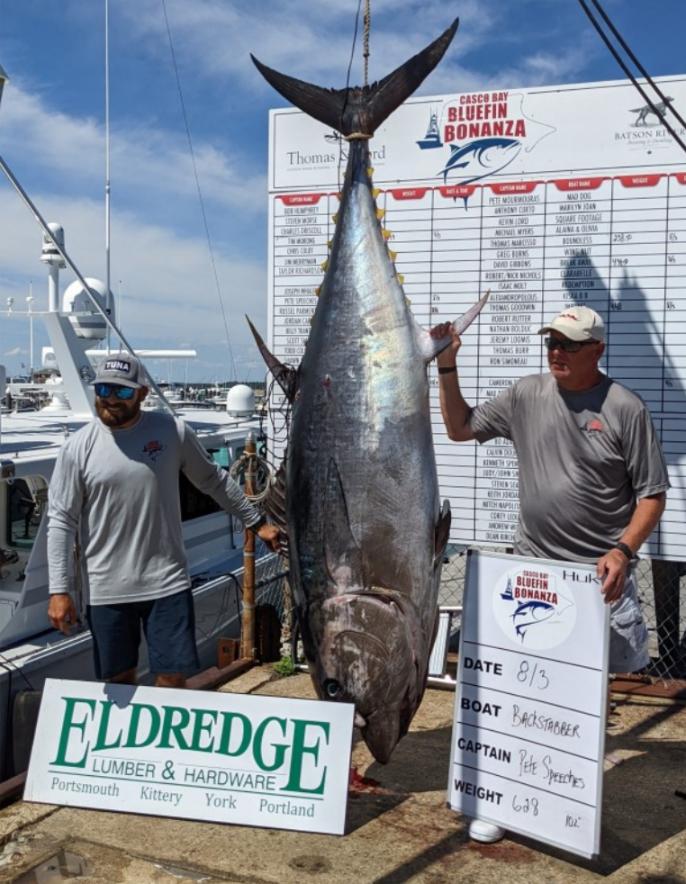
Capt. Pete Speeches, Backstabber
628 lbs.
102”
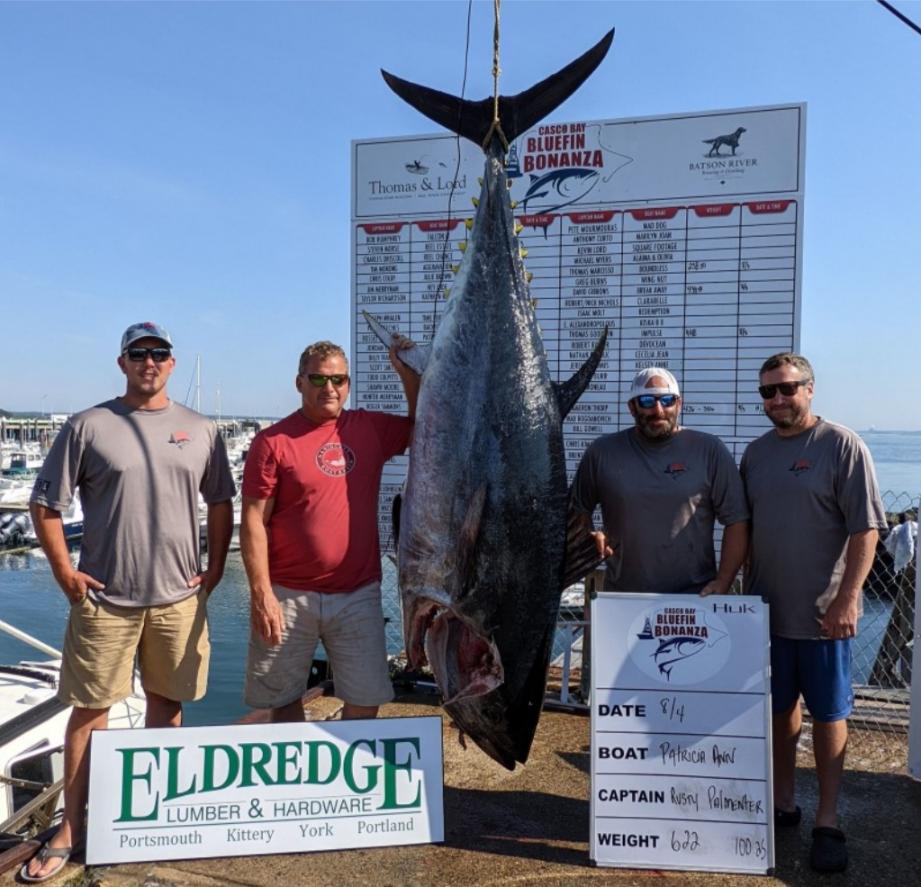
Capt. Rusty Parmenter, Patricia Ann
622 lbs.
100.25”
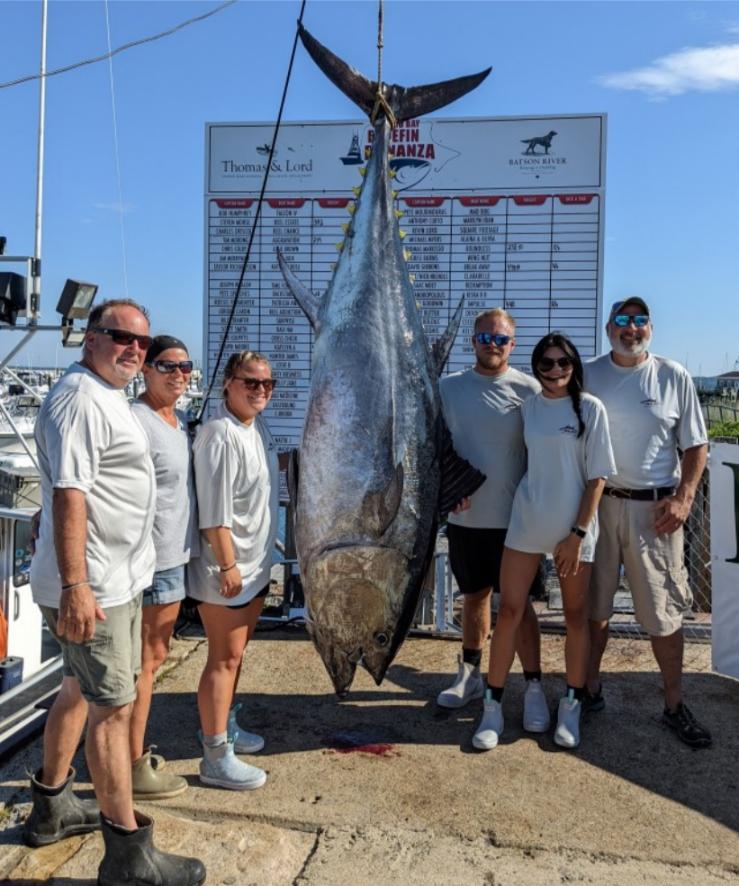
Capt. Kurt Christensen, Molly Jane
621 lbs.
104.5”
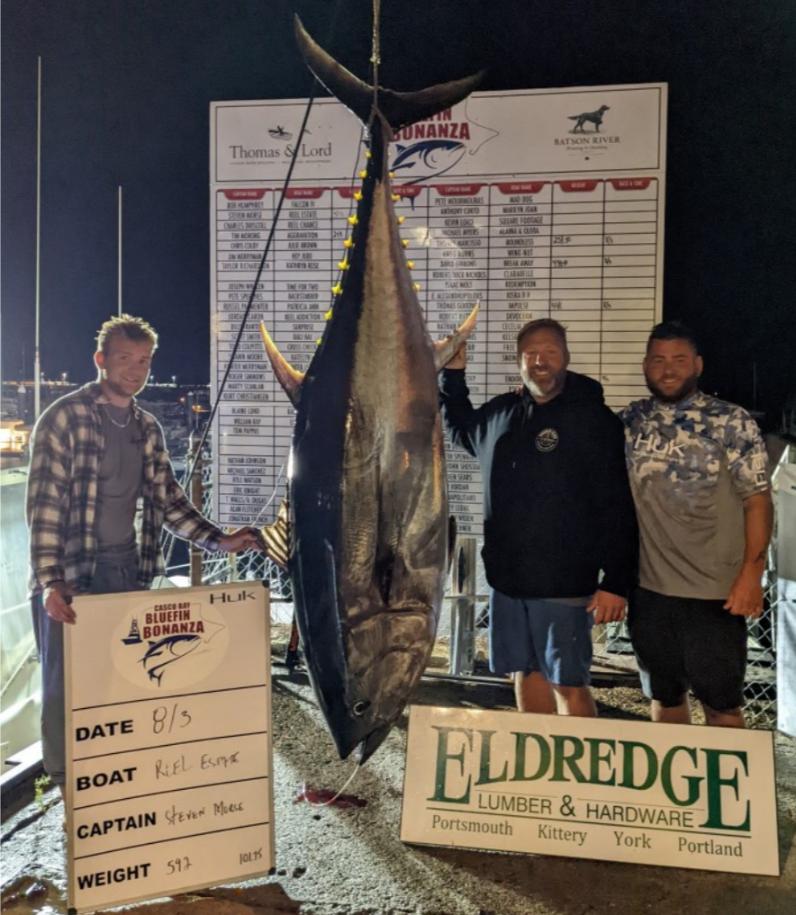
Capt. Steve Morse, Reel Estate
592 lbs.
101.75”
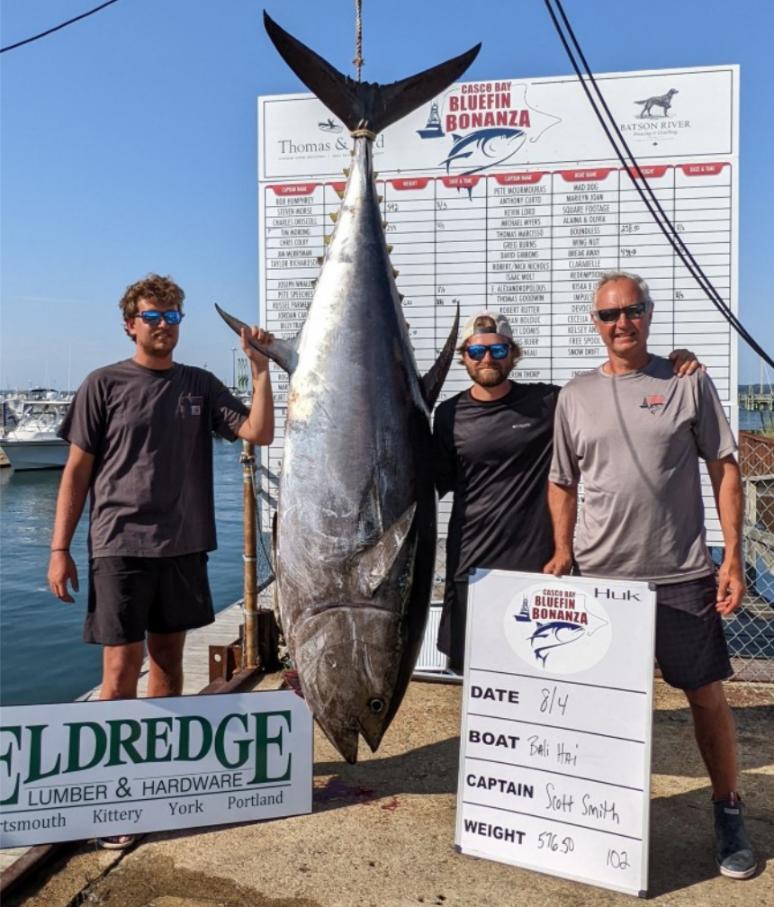
Capt. Scott Smith, Bali Hai
576.5 lbs.
102”
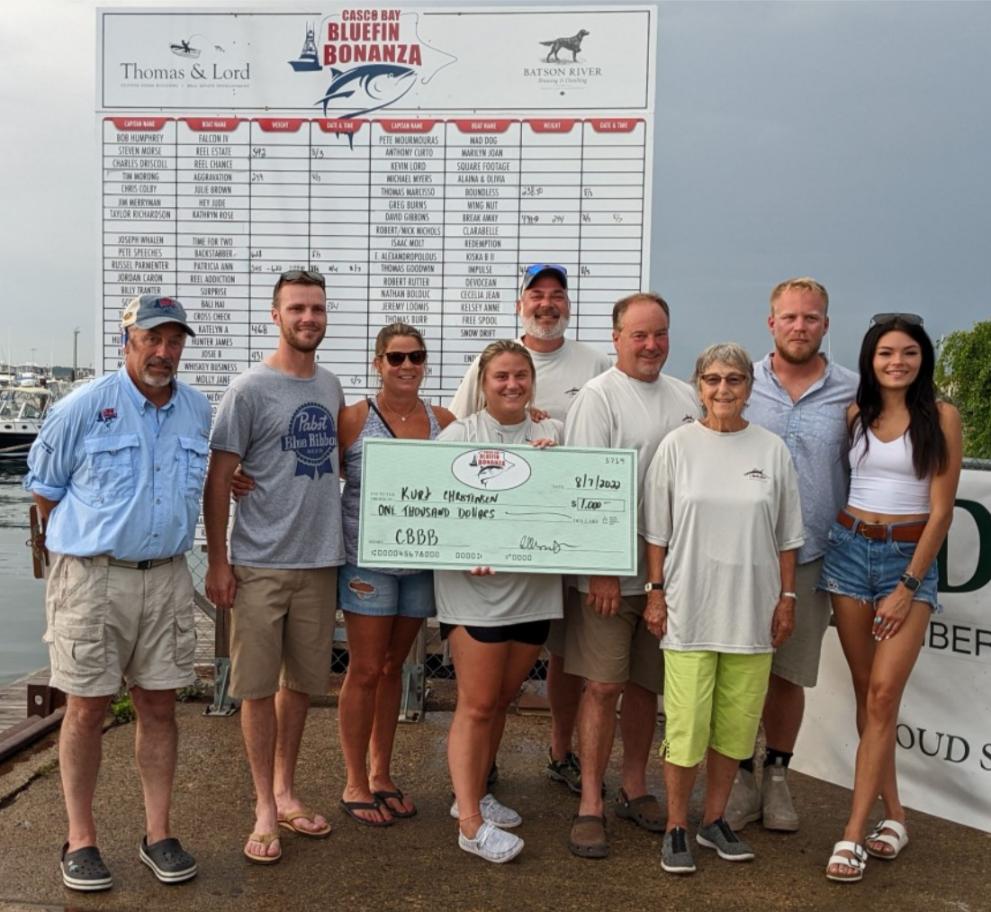
Capt. Kurt Christensen, Molly Jane
1547 lbs
$12,500
$6,000
$3,000
$1,500
$1,000
$1,000
$600
$1,000
None of what we do would be possible without the incredible support of our donors. Please take a moment to read through the list of individuals and businesses who contributed. When you get a chance, please thank them for us and consider patronizing their businesses.
Thank you to all our generous donors for their support.
Diamond ($10,000 minimum)
Platinum ($5,000 minimum)
Gold ($1,000 minimum)
Silver ($500 minimum)
Bronze ($250 minimum)
Honorable Mention
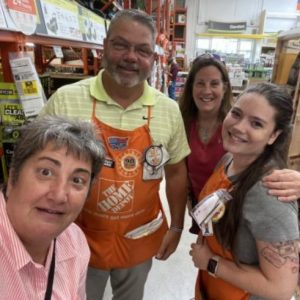
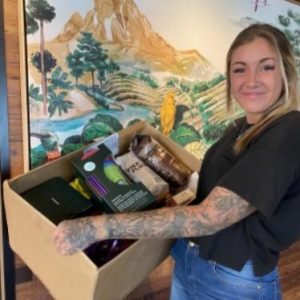
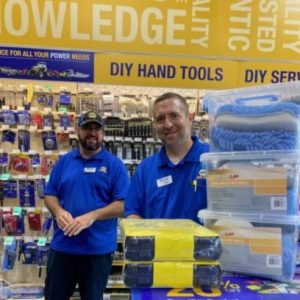

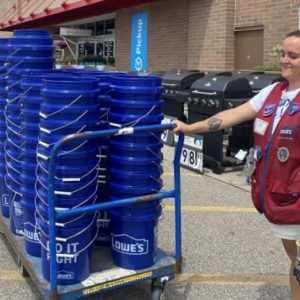
We go above and beyond in making sure our sponsors receive the recognition they deserve, and we work with them in finding creative ways to do so.
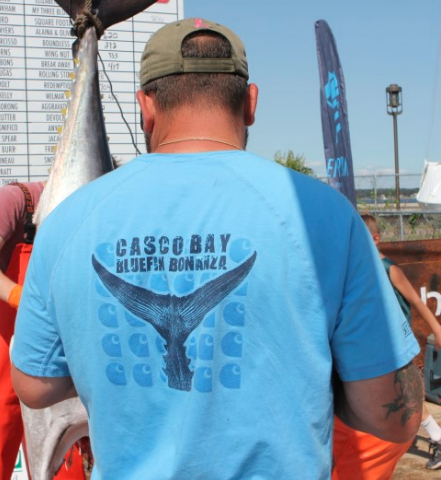
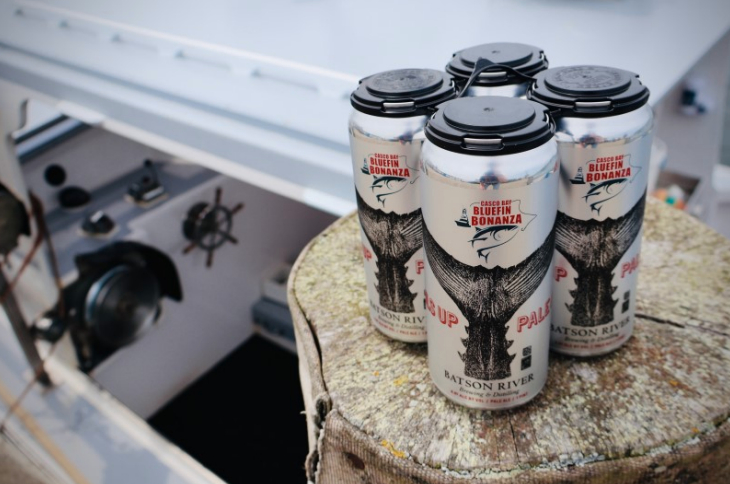
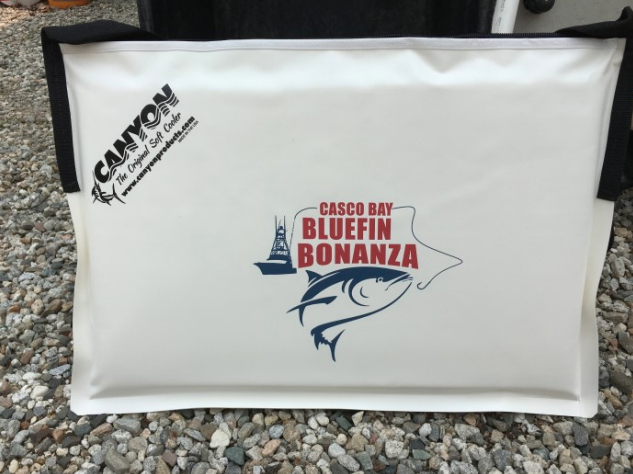
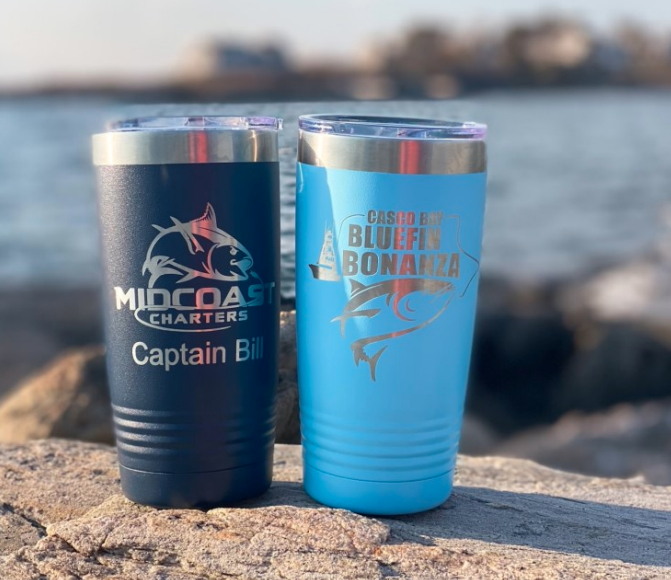
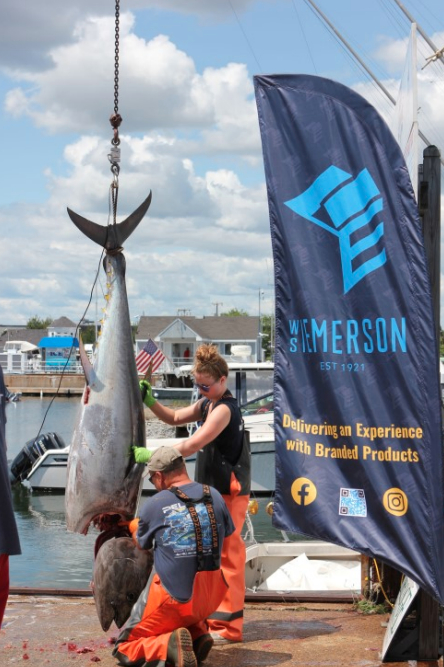
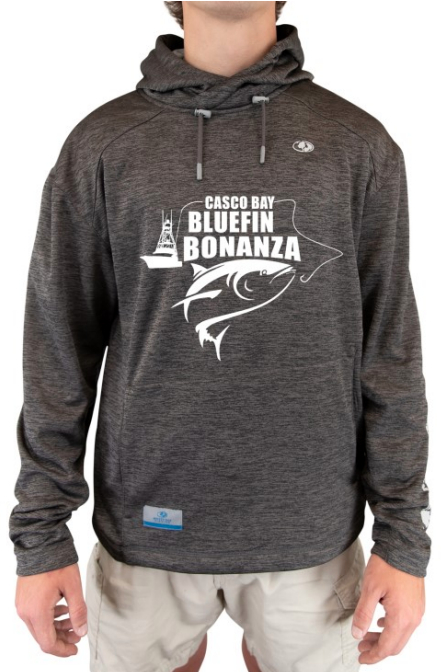
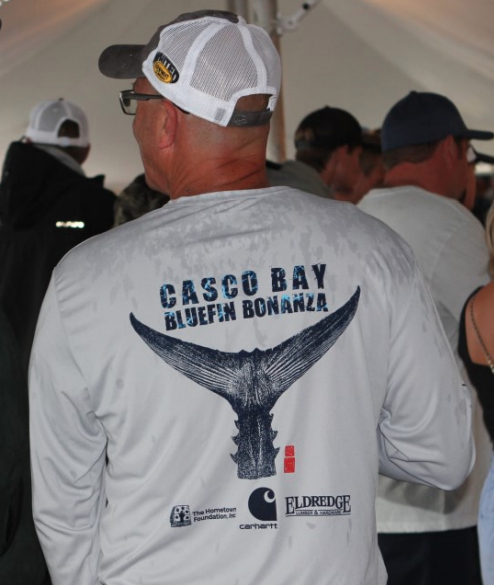
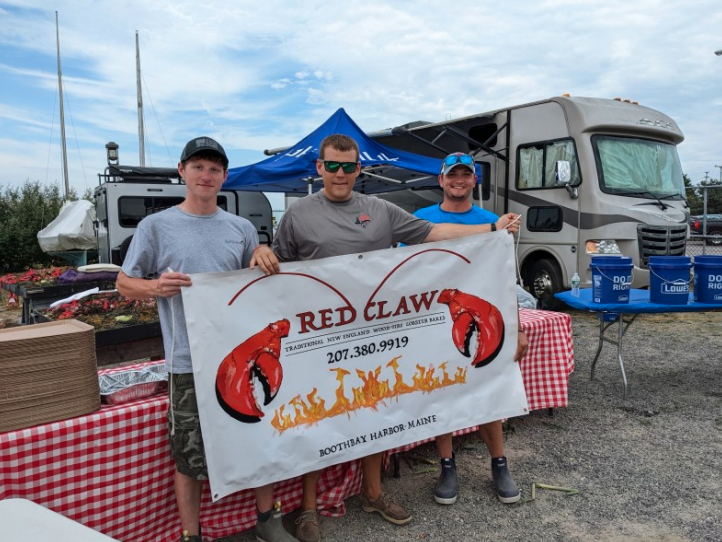
As a first-class tuna tournament, the Casco Bay Bluefin Bonanza combines highly skilled anglers from all over the northeast in a contest of competition, comradery, and fun. We also understand the importance and reward of giving back to our communities. As an independent, non-profit, 501(c)(3) charitable organization, the Casco Bay Bluefin Bonanza Tuna Tournament is committed to the purpose of raising and expending funds in support of educational scholarships to deserving individuals. To that end, all donations made by charity auction participants, raffle ticket buyers, and our sponsors will go toward a scholarship fund to support students in Maine’s community college and technical school system, the graduates of which will ultimately enter the workforce and contribute meaningfully to our community.